

How physical objects tied to stories, characters, and ideas became one of the defining cultural forces of the modern age.
Merchandising – the practice of creating, distributing, and promoting physical products tied to people, brands, or stories – is now a dominant force in global culture. No longer confined to simple souvenirs or promotional gifts, merchandise has become a dynamic expression of fandom, identity, and commerce. Its roots stretch far deeper into history than many realise, evolving from symbolic keepsakes into a ubiquitous cultural phenomenon, particularly in film and entertainment. Understanding this evolution – and the distinction between merchandise and tie-ins – offers insight into how physical objects help shape collective experiences and memories.
Early Roots – 18th-Century Keepsakes and Patriotic Tokens
While merchandising as a formal commercial strategy is a 20th-century innovation, the underlying idea of associating physical products with cultural significance predates the term itself. One of the earliest examples often cited is the use of commemorative tokens featuring George Washington’s likeness in the late 18th century. These early items – crafted as coins and medallions – were intended to celebrate Washington’s leadership and foster patriotic identity among the fledgling United States. Though not ‘merchandise’ in the modern marketing sense, they illustrate an early recognition that tangible objects can convey deeper meaning and emotional connection to a figure or idea.
These primitive tokens were precursors to a long lineage of collectible items that would clearly link cultural narratives with material objects. In the centuries that followed, similar practices emerged around political leaders, military victories, and public spectacles – suggesting that merchandising’s principle of crystallising public sentiment into objects has been long appreciated.
From Disneyland to Disney Merch – Post-War Expansion
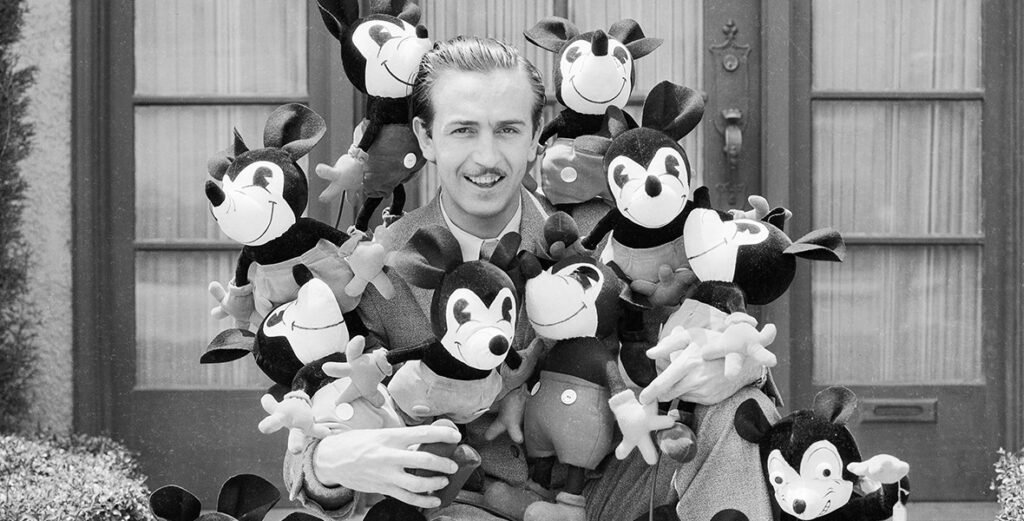
The expansion of mass media in the early 20th century and the arrival of consumer culture after World War II accelerated merchandising dramatically. Walt Disney played a pivotal role in transforming entertainment into tangible goods that extended stories beyond the screen. With the opening of Disneyland in 1955, Disney capitalized on its memorable characters by selling plush toys, apparel, accessories, and souvenirs tied to its films and park experiences. These products weren’t just ancillary revenue streams; they deepened fans’ emotional connections with narratives like Snow White and Pinocchio, allowing audiences to bring pieces of those magical worlds into their daily lives.
Disney’s strategy illustrated how merchandise could serve as both cultural expression and brand reinforcement. Whether through Mickey Mouse pins or princess dresses, these items encouraged repeated engagement with the stories and characters that defined Disney’s brand. Importantly, early Disney merchandise set a template for how entertainment companies could expand narratives beyond their primary medium – creating lasting cultural artifacts that were collectible long after a film’s theatrical run had ended.
The Movie Merchandising Revolution – Star Wars and Kenner
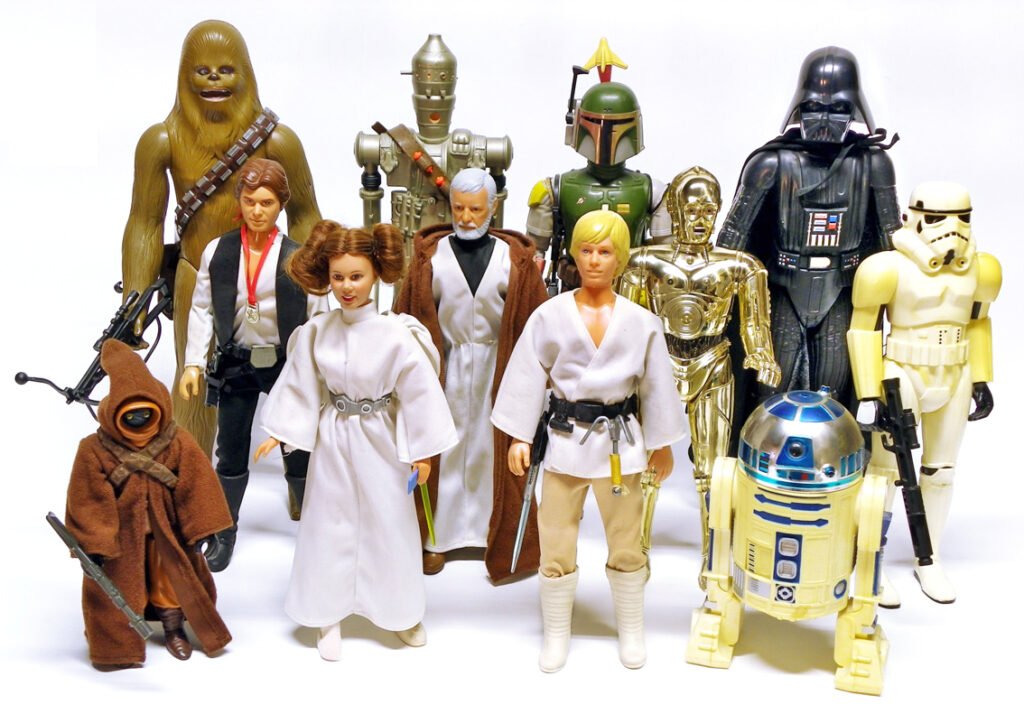
The intersection of movies and merchandising entered a transformative phase with the 1977 release of Star Wars. Unlike most films before it, Star Wars didn’t simply spawn a few posters or promotional postcards – it unleashed a merchandising juggernaut that reshaped popular culture. The breakthrough came when toy company Kenner Products licensed the rights to produce Star Wars action figures, vehicles, and playsets. Both Mattel and Mego turned them down. These toys – small, highly detailed plastic figures just over three inches tall – are still hugely popular, selling millions of units worldwide and creating a new paradigm for movie merchandising. Toltoys in Australia, Lily Ledy (Mexico) and Palitoy (UK) emerged as either regional partners to Kenner, with some of their early releases some of the most sought after. Kenner had $100m in sales during 1978 and 1979 alone.
Kenner’s Star Wars line wasn’t merely an add-on product; it became one of the most significant drivers of the franchise’s enduring cultural impact. Figures of Luke Skywalker, Darth Vader, and the Millenium Falcon playset generated enthusiasm that extended far beyond the movie screen, turning character toys into cherished childhood staples. The success of these figures demonstrated that cinema could extend its life and narrative reach through physical collectibles – deepening fan engagement and, in turn, influencing the financial viability of future films and sequels.
Indeed, Kenner’s franchise merchandising fundamentally changed the toy industry. Prior to Star Wars, action figures tended to be tied to specific toy lines or television shows, such as G.I. Joe. Afterward, Hollywood increasingly treated merchandising as an essential part of a film’s business model. Producers started building movies with merchandising potential in mind, recognizing that toys, figures, and branded products could create additional revenue streams and cultural visibility.
Why Action Figures Matter: The Allure of Collectibles
Among all forms of merchandise, small collectibles like action figures occupy a unique place in cultural life. Unlike apparel or posters, action figures invite interaction, play, and collection – behaviours that transform merchandise from static decoration into participatory objects of engagement. For many fans, owning a figure of a beloved character is a tactile way to express identity, nostalgia, and affinity with a fictional world. The object becomes a proxy for the story itself.
What makes collectibles genuinely powerful is the way they accumulate meaning over time. A figure bought as a child carries a different weight at forty than it did at eight. The story changes; the attachment deepens. Rarity, condition, and original packaging layer additional value – monetary in some cases, but more often emotional. Collectors build communities around these objects, trading not just pieces but knowledge, memories, and enthusiasm.
The original Kenner Star Wars figures are a perfect example. Designed for play, they are now cultural artefacts — objects that mark a specific moment in both personal and collective history. LEGO® Minifigures® follow the same arc. With more than 19,000 unique characters released since 1978, each one is a tiny designed object: a specific character, a specific theme, a specific year. Collected seriously, they become a timeline of imagination – as much a record of what people loved as what LEGO made.
Tie-Ins vs. Merchandise – Understanding the Distinction
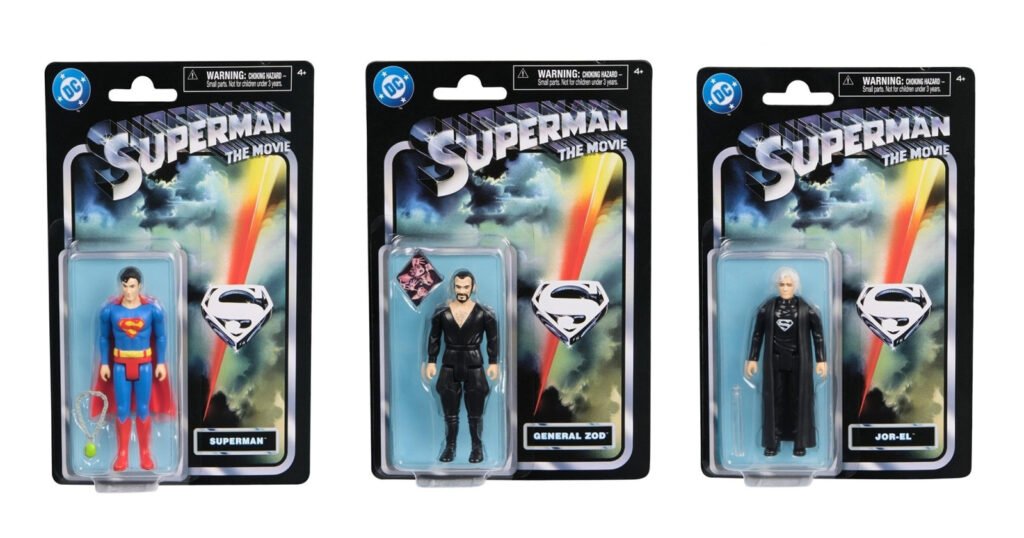
Merchandise refers to products based on a theme, character, or film that are designed, produced, and sold directly to consumers – like Star Wars action figures or Disney plush toys. These items exist independently and are intended as collectible or usable goods.
Tie-ins are promotional tools designed to advertise or support a film through partnerships or co-branding with existing products or services – such as a fast-food chain offering toys in children’s meals during a theatrical release. The key distinction: merchandise seeks to generate sustained consumer interest and cultural value over time. Tie-ins focus on amplifying visibility around a specific event, often the opening week of a film. Both matter commercially; only one endures.
Expansion and Saturation – Merchandising Across Media
By the late 20th century, the success of Star Wars and similar franchises encouraged studios and brands to treat merchandising as a core part of media strategy. Films like E.T., Jurassic Park, Batman, and later the Marvel Cinematic Universe all spawned extensive lines of collectibles, apparel, and premium goods. Each new wave of films introduced toys, figurines, and scale models that invited fans to interact with stories outside the cinema. Tie-ins proliferated alongside more permanent products such as limited edition figures, statues, and fan club merchandise.
This saturation of film-related merchandise marks a cultural shift: audiences expect to extend media consumption into their everyday environments, surrounding themselves with objects that reflect their passions. Whether placed on shelves, worn as fashion statements, or traded among peers, these items anchor cultural narratives to material experience.
The Legacy of Merchandising as Culture
Today, merchandising is far more than a marketing afterthought; it is integral to how stories circulate, how communities form, and how individuals express identity. From George Washington’s early commemorative coins to Disney’s character products spanning more than 70 years and Kenner’s iconic Star Wars action figures, merchandise has continually reflected and shaped cultural values and consumer behavior.
In the context of movies, this evolution demonstrates how physical collectibles – especially smaller items like action figures – become embedded in out collective cultural memory, allowing fans to engage with narratives beyond the confines of the screen.
Which Brings us to Minifigures
LEGO® minifigures sit – or rather stand’ – at the precise intersection of everything this history describes – playable characters, collectible objects, cultural artefacts, and personal relics simultaneously. More than 19,000 unique figures have been released since 1978. Most are kept in bags, boxes, and drawers – safe, but hidden. Finity Frames was built on a single belief: that anyoner’s collection this deserves to be seen. Not stored. Displayed.