

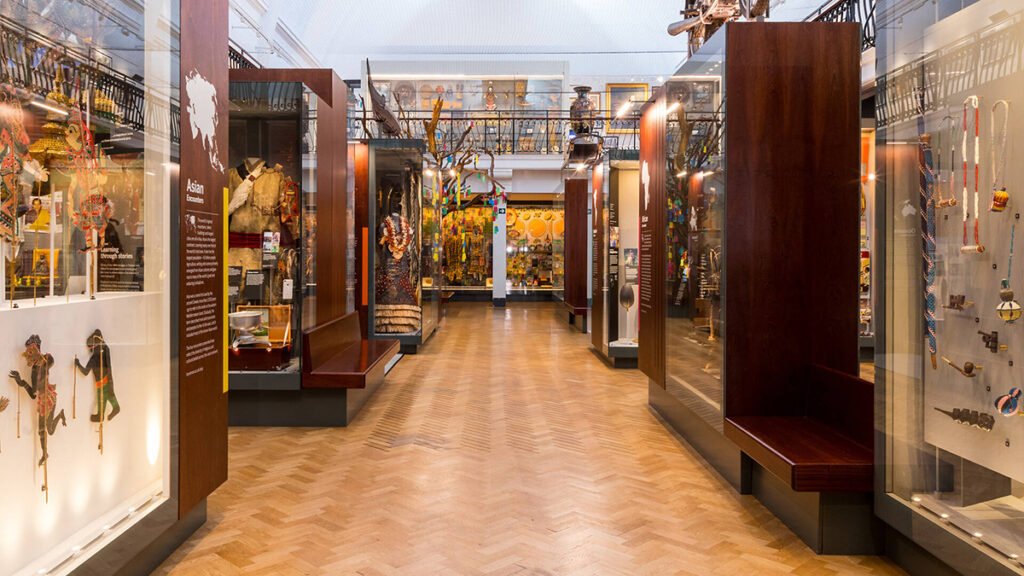
Across centuries and cultures, people have gathered objects not merely to possess them, but to remember, to express identity, and to share stories.
Collecting is one of humanity’s oldest and most enduring impulses. Long before it became associated with museums, auctions, or hobbyist communities, collecting was a way of understanding the world – of selecting, preserving, and assigning meaning to objects that mattered. Far from being a trivial pastime, collecting is a practice that nourishes the soul, preserves cultural memory, and connects individuals to wider communities of shared passion.
Origins – From Collectio to Cultural Practice
The word collect derives from the Latin collectio, meaning, at its root, the act of gathering things together. Collecting implies intention: the act of choosing what belongs together and what is worth keeping. In ancient societies, collections often took the form of religious relics, ancestral objects, or trophies of conquest – items imbued with symbolic or spiritual significance. These early collections were not random accumulations; they were curated expressions of belief, power, and identity.
In medieval Europe, collecting was closely tied to the sacred. Churches and monasteries preserved relics of saints, fragments of holy objects, and illuminated manuscripts. These collections were valued not only for their rarity but for their ability to connect the present to the divine or the past. Objects became vessels of meaning, carrying stories that transcended their material form.
The Renaissance and the Birth of the Cabinet of Curiosities
The modern idea of collecting began to take shape during the Renaissance with the emergence of the Wunderkammer, or ‘cabinet of curiosities.’ Wealthy scholars, aristocrats, and explorers assembled rooms or cabinets filled with natural specimens, artworks, scientific instruments, antiquities, and exotic objects from newly explored parts of the world. These collections reflected a growing desire to understand the universe through observation and classification.
“The goal was not completeness, but fascination.“
Cabinets of curiosities were not organised according to strict scientific principles; instead, they embraced wonder, diversity, and contradiction. A fossil might sit beside a carved idol, a mechanical device next to a rare shell. The goal was not completeness, but fascination. These collections represented the collector’s worldview – a physical map of curiosity and intellect.
They were, however, carefully organised. Curated. There was a deliberate design ethos that used strict geometric symmetry that helped bring order to that chaotic collections of object d’art, artificial wonders and natural specimens. Finity Frames draws direct design inspiration by perfectly mapping the architectural psychology of early Renaissance Wunderkammern.
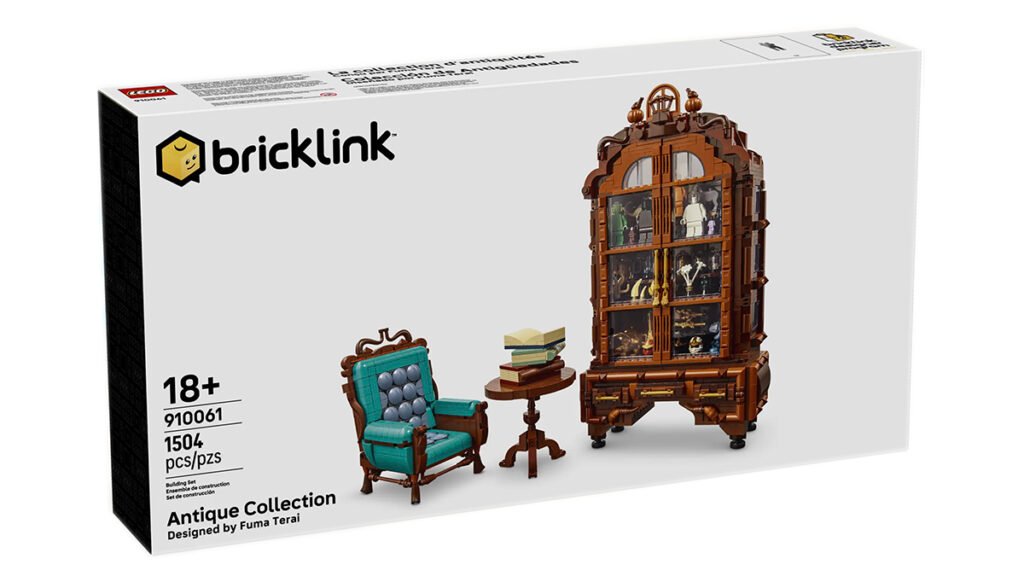
LEGO set 910061 pays homage to the original wunderkammer – a cabinet of curiosity
Crucially, many of these private collections later became the foundations of modern museums. As individual collectors donated or bequeathed their holdings to the public, personal passion transformed into shared cultural heritage. The British Museum, countless natural history museums, and the Horniman Museum in Forest Hill, South London – founded by tea merchant Frederick John Horniman in 1901 from his personal collection of natural history specimens, musical instruments, and cultural artefacts from around the world – all owe their origins to the collecting instincts of individuals who believed objects deserved to be preserved, studied, and seen.
| The Horniman Museum The Horniman in Forest Hill, South London is one of the finest examples of a private collection becoming public institution. Frederick John Horniman inhereted his father tea merchants in 1860, and spent decades assembling natural history specimens, musical instruments, ethnographic objects, and curiosities from what would be regarded in the 18060s as ‘far flung’ places: Egypt, Sri Lanka, Burma, China, Japan, Canada and the United States. His choice of objects ‘either appealed to his own fancy or that seemed to him likely to interest and inform those who had not had the opportunity to visit distant lands’. The family home opened to the public before eventually gifting the entire collection to the London County Council in 1901. Today it houses more than 350,000 objects. Its walrus – overstuffed by a taxidermist who had never seen one – is one of the most beloved exhibits in any museum in Britain. For a child standing in front of those cabinets for the first time, it is an unforgettable experience. The wonder it inspires is exactly what a great collection should do. |
The first museum as we understand it today was Musée du Louvre, officially opened in 1793, during the French Revolution. Created to showcase the vast collection of art and artefacts amassed by the French royal family over centuries, it presented classical antiquities, sculpture, paintings, and Egyptian artefacts confiscated from nobility and the church during the revolution – transforming private accumulation into public patrimony.
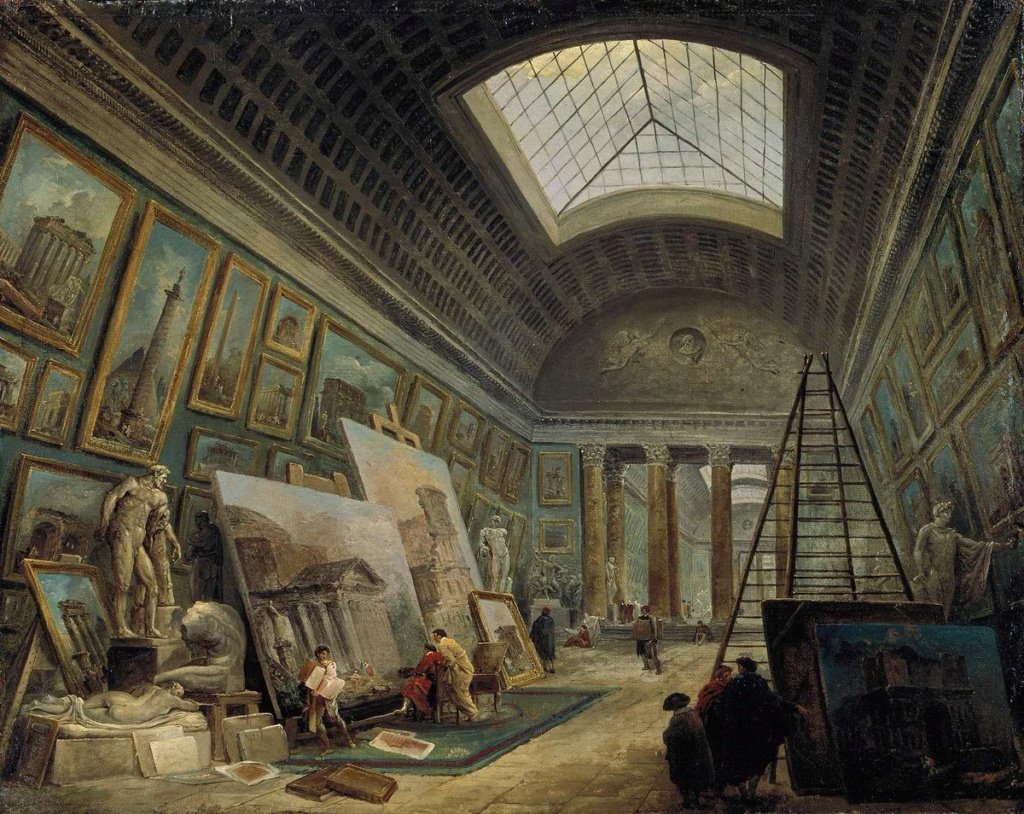
Musée du Louvre, officially opened in 1793
Collecting as Preservation and Storytelling
At its core, collecting is an act of preservation. Whether the objects are ancient artifacts, books, stamps, records, LEGO®, or action figures, collections protect items from disappearance and in doing so, they preserve stories – about eras, technologies, aesthetics, and lived experiences. Collectors themselves often become informal historians, safeguarding pieces of culture that might otherwise be lost to time.
Preservation is rarely passive. Collectors research provenance, learn histories, and contextualize their items, with their collection not only comprised of physical items, but of a narrative, shaped and individualised by the choices and values of its owner. Two collections could contain largely the same objects, but presented in wildly differing ways. When shared – through display, conversation, or community – it becomes a form of storytelling and discussion, bridging personal experience with broader cultural meaning.
Escapism, Focus, and the Inner World of Collecting
Collecting also offers a powerful form of escapism. Immersing oneself in a collection – organizing it, researching new additions, or simply appreciating it – creates a space apart from daily pressures. This immersion can be meditative, offering focus and calm in a fragmented world. The act of handling objects, arranging displays, or cataloging items grounds attention in the present moment.
For many, collections become private worlds governed by personal logic and affection. Time spent with a collection is time spent in dialogue with one’s interests and memories. This inward turn is not withdrawal, but renewal. It allows individuals to reconnect with what excites them, what comforts them, and what defines them.
“Through collecting, people preserve versions of themselves.“
Nostalgia and the Emotional Core of Collecting
Nostalgia plays a central role in many collections. Objects often act as anchors to formative periods of life – childhood toys, music from adolescence, books read during pivotal moments. These items do more than recall the past; they reawaken emotions associated with it. Nostalgia, in this sense, is not mere longing, but emotional continuity.
Through collecting, people preserve versions of themselves. The past is not frozen, but carried forward, integrated into the present. This emotional resonance explains why collectors often feel deeply attached to their items regardless of monetary value. Sentiment transforms ordinary objects into personal relics.
Pride, Pursuit, and the Joy of the Hunt
Pride is another defining element of collecting. There is pride in building a collection over time, in refining taste, and in curating something cohesive and meaningful. This pride is not rooted solely in ownership, but in effort and discernment. Each addition represents a decision – a moment of recognition that something belongs, and indeed a collection is often fluid, with items then being removed or replaced by others as tastes change or those ‘more valuable’ items are acquired. ‘Value’ of course can be literal cost of something, but value can be rooted far more in emotion and sentimentality.
The pursuit of rare or sought-after items adds an element of excitement. The ‘hunt’ can be as rewarding as the acquisition itself. Searching, waiting, negotiating, and finally securing a long-desired piece creates a narrative of effort and anticipation. These moments of success, even when relatively small, generate genuine joy and satisfaction.
Self-Expression and Display
Collections are powerful forms of self-expression, with what a person collects – and especially how they display it – revealing their values, interests, and identity. Whether meticulously arranged or organically assembled, it invites others into the collector’s perspective, offering connection through curiosity and reflecting how an individual sees the world and what they choose to honor within it. Pride in display is not about validation alone, but about communication – allowing objects to tell their collective story.
Community and Shared Passion
Collecting rarely exists in isolation. Over time, individual passion often extends into the broader community with collectors seeking out others who share their passion projects and interests, forging networks and relationships built on shared knowledge, and mutual appreciation. These communities – whether local clubs, online forums, or conventions – transform private pursuits into social experiences.
Shared collecting fosters belonging. Conversations about rare finds, display techniques, or historical details create bonds rooted in enthusiasm rather than obligation. In this way, collecting becomes a social glue, as it connects often diverse individuals across generations, geographies, and backgrounds.
The Turning Point For LEGO Minifigure Collecting
In 1995, 15 years before the first sets of LEGO Collectible Minifigures appeared – which literally stated ‘collectible’ – the first independent collector guides and ‘price checks’ started to appear in printed toy magazines, such as ToyFare which ran from 1997 to 2011 which also features reviews and previews and encompassed a wide array of collectible action figures and pop culture, with an entertaining satirical flair. Magazines like ToyFare put into black and white the abundance and desire for secondary collector markets that are a significant part of the collecting psyche.
For LEGO, it put them in the same ‘value check’ collectibles alongside the likes of Kenner Star Wars and minifigures were no longer just things of play, but potential future financial assets.
Celebrating the Act of Collecting
The history of collecting is ultimately a history of care – care for objects, for memory, and for meaning. From Renaissance cabinets of curiosities to modern personal collections, the impulse to gather and preserve reflects a deeply human desire to understand, remember, and share. Collecting enriches the soul by offering focus, joy, and connection. It preserves fragments of the world and gives them new life through attention and affection.
In celebrating collecting, we celebrate a practice that honors the past, enriches the present, and builds bridges between individuals and communities. It is not merely about things, but about the stories they carry and the people they bring together.
A Collection Deserves to be Seen
Every collector understands the tension between protecting what they love and sharing it with the world. Objects kept in boxes are safe but invisible – and invisible collections cannot tell their stories or inspire the wonder that led to their creation. Finity Frames was built on the belief that a collection worth building is a collection worth displaying. Not stored. Not hidden. On the wall, in plain sight, doing exactly what a great collection should do: inviting people in.
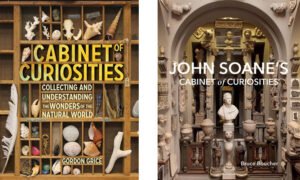
Young readers: If you’d like to inspire a young explorer who loves finding stuff in nature and bringing it home, then Gordon Grice’s Cabinet Of Curiosities: Collecting and Understanding the Wonders of the Natural World is a great read and practical guide on identification, preservation and display.
Further reading: John Soane’s Cabinet of Curiosities: Reflections on an Architect and His Collection by Bryce Boucher, sheds a fascinating light on Sir John Soane (1753–1837) as a collector (rather than renown architect) the strategy behind, and motivation for, his pieces by examining key strands in his collection, and what they reveal about Soane and the psychology of collecting.
This article was written with the aid of ChatGPT, then edited.